


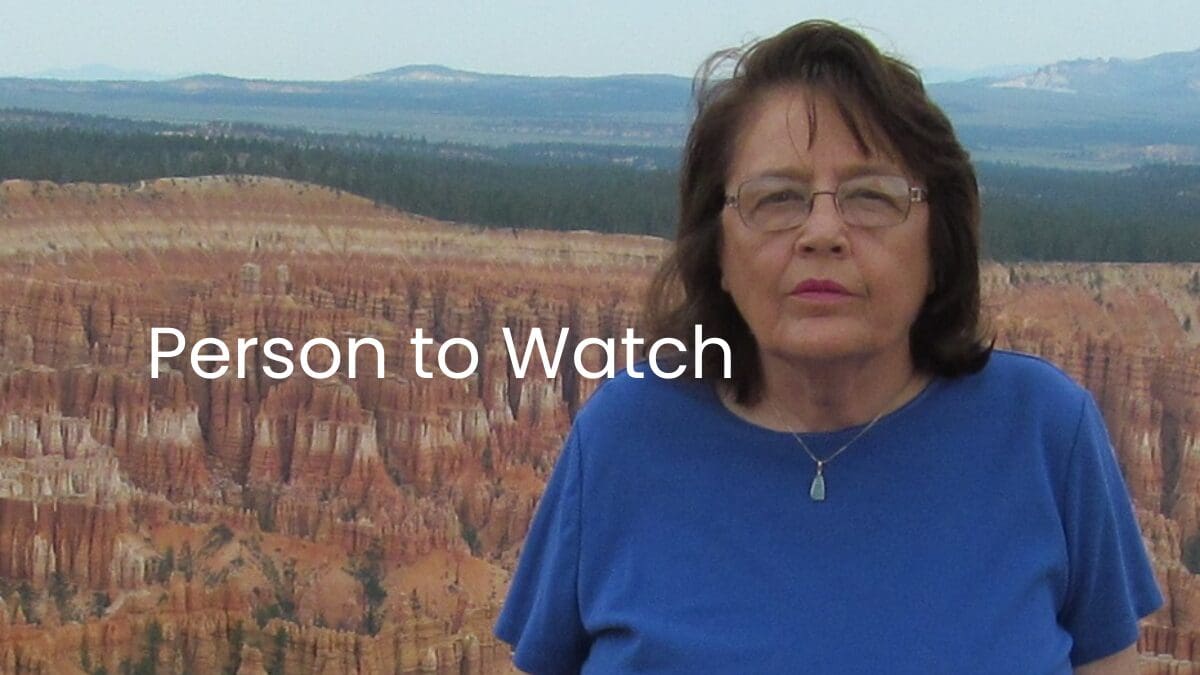
For more than three decades, Wanda Crane has been a constant, unwavering presence in animal welfare in Anderson County. Hers is not a story that began with childhood dreams of rescue work or a lifelong path into advocacy. Instead, it began later in life — with open eyes, a tender heart, and the simple but powerful decision to act.
“I did not become officially involved in the animal welfare community until I was older,” Wanda says. After years spent raising a family, moving across the country, and working alongside her husband in the corporate world, life brought her to Anderson when her husband decided to start a company here. What followed would quietly change the course of her life.
A visit to the old county shelter revealed conditions that moved her deeply. “I saw the plight of the animals,” she recalls. “My heart was moved.” That moment led her to join the local humane society — a decision that, more than thirty years later, continues to shape the lives of countless animals and the community at large.
Today, as a leader within the Anderson County Humane Society (ACHS), Wanda understands that animal welfare is both deeply rewarding and emotionally demanding. Her days no longer look the same as they once did. Much of the clinic’s day-to-day management has been entrusted to trusted staff, allowing Wanda to work more behind the scenes. “Directing an organization like the humane society is difficult,” she explains. “You’re trying to get people to focus on a few areas when there are so many things that need doing.”
Of all those responsibilities, Wanda is clear about what matters most: the Low Cost Spay/Neuter Clinic. “It has become the most important thing we do — both for the animals and for the community,” she says. The clinic serves Anderson County residents and those from neighboring counties, offering affordable services that help curb overpopulation before it becomes crisis.
Beyond spay and neuter services, ACHS provides vaccinations, parasite prevention, heartworm medication, and basic wellness care several days a week. When possible, they assist with critical medical cases and transport animals in need to veterinary care. Bottle-fed litters and orphaned animals are also part of the organization’s daily reality — quiet, labor-intensive work that often goes unseen. Yet despite these efforts, Wanda is candid about the challenges facing animal welfare today. “The biggest challenge right now is the callous way people are treating and dumping animals,” she says. While some attribute the issue to regional attitudes, Wanda believes the problem runs deeper.
“This is not just a local problem. It’s a national cultural problem,” she explains. “There’s a disconnect between people and nature, and a lack of appreciation for the natural world and its animals.” She does not claim to have a simple solution. Instead, she points toward long-term change — teaching responsibility, empathy, and care at a young age. “I personally think having young children care for animals and plants would help,” she says.
Overpopulation and owner surrender remain constant concerns, and Wanda wishes people would pause longer before giving up a pet. “I don’t think people really agonize over taking a pet to a shelter,” she says. “Rover or Fluffy may never get adopted, even if you think they’re wonderful animals.” She gently reminds pet owners that animals don’t require perfection — only presence. “They rest and sleep a lot. Even if you’re gone, they are overjoyed when you are there.”
Community support remains vital to ACHS’s mission. Foster families, in particular, are invaluable. “Foster if you can,” Wanda urges. “It helps animals learn home routines and keeps our cages less crowded, which cuts down on disease.” Sponsors, donors, and businesses that support events or give a portion of proceeds also make a significant difference. Collaboration strengthens the safety net. ACHS works closely with veterinarians, trappers, fosters, volunteers, and rescue partners when possible. Volunteers are always needed — for events, adoption areas, and general care — and Wanda stays connected through constant communication, social media, and community outreach.
Compassion fatigue is real in animal welfare, and Wanda doesn’t shy away from acknowledging it. Her approach is simple but intentional. “Focus on the positive things that happen,” she says. “That’s what I encourage our staff to do.” The team at ACHS supports one another not only through difficult cases, but through life’s challenges as well.
Education, Wanda believes, is another crucial piece of the puzzle. “Humane societies are not tax-funded shelters like many people think,” she explains. “Most rely heavily on donations and community help.” They can only take in the animals they have space and funding for — a reality often misunderstood by the public.
Leadership, she has learned, requires balance. “To lead a group of altruistic, energetic people takes understanding, flexibility, and a bit of push,” she says. “Your goals aren’t out of reach — but everyone has to pull together.”
Looking ahead, Wanda hopes to continue expanding the low-cost spay and neuter program, fence portions of the sanctuary to better serve large dogs, add kennel space, and grow the foster program with enthusiastic new volunteers. On days when the weight of the work feels heavy, Wanda returns to a familiar truth: “Saving one animal won’t change the world — but it will change the world for that one animal.”
Being named an Anderson Magazine Person to Watch affirms her belief that progress is possible. “It encourages me to believe that with caring people’s efforts, we can make a meaningful difference in animals’ lives,” she says.
Her final message to the community is simple and heartfelt: pay attention. Help when you see an animal in need. Keep pets safe. And above all — spay and neuter.
Quietly, steadily, Wanda Crane continues to speak for those who cannot — one animal, one act of care, one changed life at a time.