


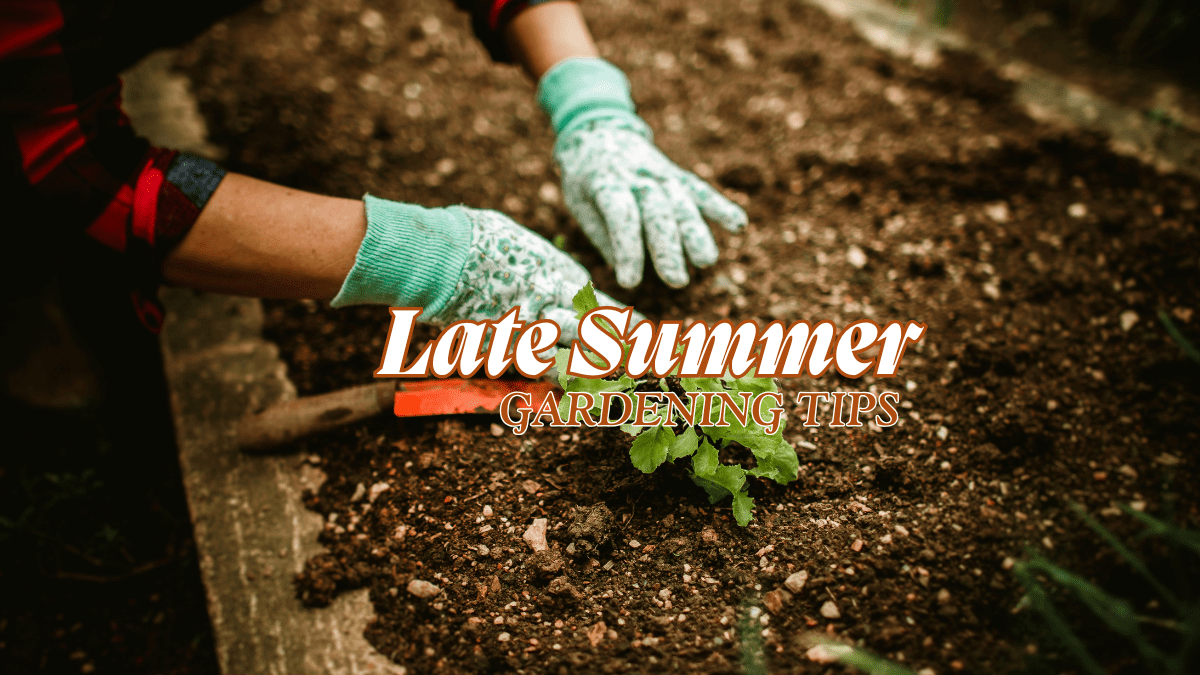
As August settles over the Upstate with its characteristic blend of sweltering heat and afternoon thunderstorms, many gardeners assume the growing season is winding down. Nothing could be further from the truth. Late summer in our region—spanning from mid-August through September—offers unique opportunities for both harvesting summer’s bounty and preparing for a productive fall garden.
The Upstate’s USDA Zone 7b climate provides gardeners with an extended growing season that many northern gardeners envy. With average first frost dates ranging from mid-October in the mountains to early November in the Piedmont, there’s still plenty of time to plant, tend, and harvest before winter’s arrival.
Late summer in the Upstate brings its own set of challenges and opportunities. Daytime temperatures often soar into the 90s, while nighttime lows may only drop into the 70s. Humidity levels remain high, creating stress for both plants and gardeners. However, this period also brings afternoon thunderstorms that can provide welcome relief and natural irrigation.
The key to successful late summer gardening lies in working with these conditions rather than against them. This means choosing heat-tolerant varieties, timing plantings strategically, and adjusting care routines to accommodate the weather patterns. Mid to late August is the perfect time to start cool-season crops that will thrive as temperatures begin to moderate in September and October. In the Upstate, focus on these reliable performers:
Leafy Greens: Plant lettuce, spinach, arugula, and Asian greens like bok choy and mizuna. These crops prefer cooler weather and will bolt quickly if planted too early. Choose heat-tolerant varieties and provide afternoon shade during the hottest weeks.
Brassicas: Broccoli, cauliflower, cabbage, and Brussels sprouts should be started from transplants in late August. Direct seeding works for radishes, turnips, and rutabagas. These crops need time to establish before hot weather returns, making timing crucial.
Root Vegetables: Carrots, beets, and parsnips can be direct seeded now for fall and winter harvest. The Upstate’s mild winters often allow these crops to remain in the ground well into December and January.
If you have garden beds that won’t be used for fall vegetables, consider planting cover crops. Crimson clover, winter rye, and annual ryegrass all perform well in our climate and will improve soil structure and fertility for next year’s garden.
September often feels like a second spring in the Upstate, with cooler mornings and more manageable afternoon temperatures. This is prime time for both planting and major garden maintenance tasks. Many herbs that struggled through July’s heat will appreciate September’s more moderate conditions. Plant new herbs like cilantro, dill, and parsley. Established basil plants often get a second wind in September, producing fresh growth perfect for end-of-season pesto making. September is also ideal for planting perennials, giving them time to establish root systems before winter dormancy. This is particularly important for plants that may be marginally hardy in our zone.
Upstate tomato plants often experience a resurgence in late August and September as temperatures moderate slightly. Remove suckers and lower leaves to improve air circulation and reduce disease pressure. Continue consistent watering to prevent blossom end rot and cracking.
For determinate varieties nearing the end of their productive period, consider removing some leaves to direct energy into ripening existing fruit. Indeterminate varieties may continue producing well into October with proper care.
Both sweet and hot peppers often hit their stride in late summer. The key is consistent moisture and protection from intense afternoon sun. A layer of mulch helps moderate soil temperature and retain moisture during our erratic late summer rainfall patterns.
If your summer squash succumbed to squash bugs or vine borers, September offers a second chance. Plant new seeds or transplants for a fall harvest. The cooler weather reduces pest pressure, and you’ll have fresh squash for autumn cooking.
Late summer watering requires finesse in the Upstate. Afternoon thunderstorms can deliver significant rainfall, but they’re unpredictable. Invest in a rain gauge and adjust irrigation accordingly. Deep, infrequent watering encourages deep root growth and helps plants withstand heat stress. Water early in the morning when possible, allowing plants to absorb moisture before the day’s heat arrives. Avoid evening watering, which can promote fungal diseases in our humid climate. A thick layer of organic mulch becomes even more critical in late summer. Mulch moderates soil temperature, retains moisture, and suppresses weeds that compete for water. Good options for the Upstate include pine straw (abundant and free in many areas), shredded leaves, and grass clippings from untreated lawns.
August and September bring their own pest and disease pressures. Spider mites thrive in hot, dry conditions and can quickly damage vegetable plants. Look for fine webbing and stippled leaves, particularly on tomatoes and beans. Fungal diseases like powdery mildew become more prevalent as humidity remains high but temperatures begin to fluctuate. Ensure good air circulation around plants and avoid overhead watering when possible. Late summer is crucial for maintaining beneficial insect populations that will help control pests through fall. Avoid broad-spectrum pesticides and instead focus on targeted treatments for specific problems. Plants like marigolds, zinnias, and sunflowers provide nectar sources for beneficial insects.
Late summer is also an excellent time for soil testing, giving you time to make amendments before fall planting. The Clemson Extension Service offers affordable soil testing that provides recommendations specific to our region’s conditions.
With summer’s abundance of garden waste and the approaching leaf fall, late summer is perfect for establishing or expanding composting systems. Proper composting reduces waste while creating valuable soil amendments for next year’s garden. Begin thinking about garden cleanup and seasonal decorations. However, resist the urge to cut back all perennials immediately. Many provide valuable habitat for beneficial insects and birds through winter.
The Clemson Cooperative Extension Service offers invaluable resources for Upstate gardeners. County extension offices provide workshops, soil testing, and region-specific advice. Their online resources include planting calendars specifically designed for our climate zone.
Local garden clubs and native plant societies offer opportunities to connect with experienced gardeners who understand our unique growing conditions. Many host plant swaps and educational programs during the fall months.
Late summer gardening in the Upstate requires adapting to our unique climate conditions, but the rewards are substantial. From extending fresh harvests into winter to preparing for next year’s garden, this season offers opportunities for both immediate gratification and long-term planning.
Remember that gardening is as much about observation and adaptation as it is about following rules. Pay attention to your specific microclimate, soil conditions, and plant responses. Keep detailed records of what works and what doesn’t—this information becomes invaluable for future seasons.
The transition from summer’s intensity to fall’s gentleness happens gradually in our region, giving gardeners time to adjust and plan. Embrace this unique season, and you’ll discover that some of your best gardening experiences happen when the calendar suggests the growing season should be ending.What late summer gardening challenges have you encountered in the Upstate? Share your experiences and solutions with fellow gardeners by emailing us at editor@andersonmagazine.com or joining the conversation on our social media page