


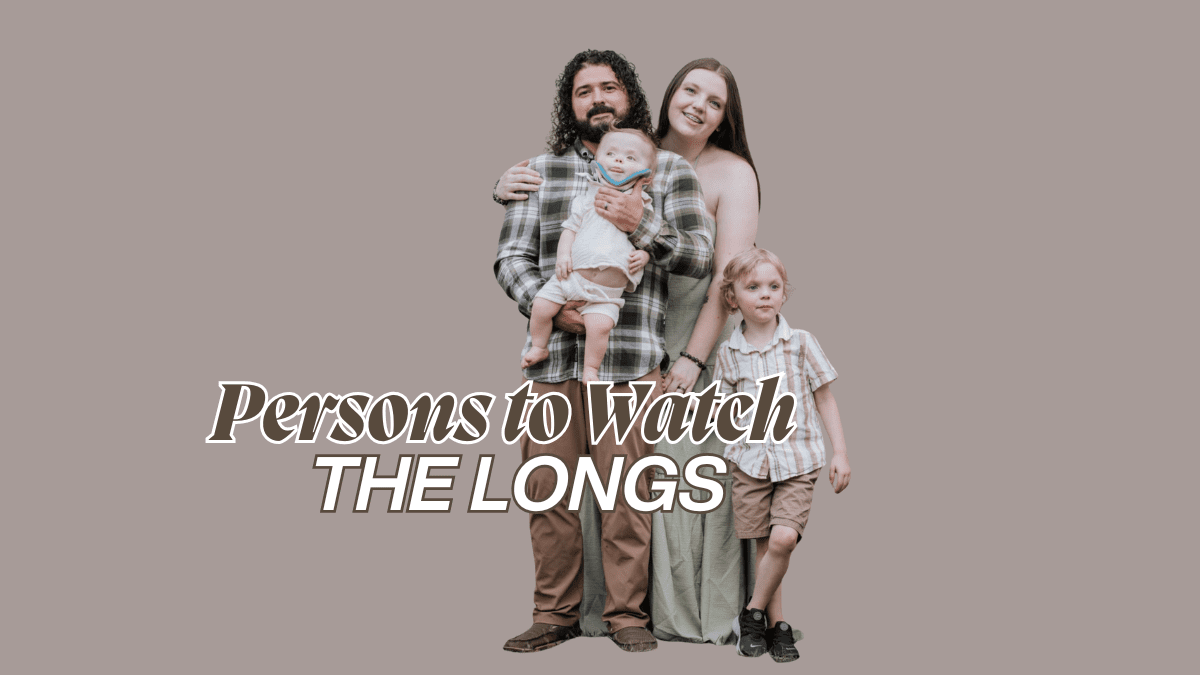
The call came less than four days after saying goodbye to a beloved grandfather. As the family was still processing their grief, they received news that would change everything: their unborn son Hutton had been diagnosed with an extraordinarily rare condition skeletal dysplasia, affecting only one in 500,000 births. At the time this was considered primarily fatal, with most children not surviving their first year.
For this South Carolina family, what followed was a journey that would test every fiber of their being—and ultimately force them to make an unthinkable choice between their home and their child’s life.
Hutton’s mother had already endured tremendous loss. An ectopic pregnancy, ignored by local doctors for two weeks, had resulted in emergency surgery and the removal of one fallopian tube. With endometriosis and now only one functioning tube, the chances of conceiving again seemed slim.
“We did not think we would have great luck trying again,” she recalls. When they discovered they were expecting almost a year later, joy was tempered by terror. “This time we wanted to be happy, but we were terrified given what had happened prior.”
The pregnancy brought its own challenges. Severe Hyperemesis Gravidarum landed her in the hospital for a week early on, followed by weekly—sometimes bi-weekly—fluid infusions just to stay hydrated. Around 20 weeks, as the sickness seemed to come under control and Hutton appeared healthy, they allowed themselves to hope.
What followed was a crash course in medical advocacy that no parent should have to take. The official diagnosis required an amniocentesis, confirming their worst fears about their son’s condition. When Hutton was born and survived his NICU stay, the hospital sent them home “like everything was completely normal when it was very far from it.”
Feeling abandoned by the medical system, they found salvation in an unexpected place: a Facebook group for families dealing with their exact diagnosis. “We were able to speak directly to the other families who were actively going through or had gone through what we were,” Hutton’s mother explains. “Thankfully we have learned to fight through it tooth and nail, and that is the honest truth on why and how we are where we are.”
The daily reality became a logistical and emotional marathon. Days filled with constant calls to insurance companies, medical facilities, DME companies, doctors’ offices, pharmacies, and billing departments. Meanwhile, they learned through trial and error what worked for Hutton and what didn’t, creating a careful routine of “Do’s and Don’ts” that keeps their son safe.
As Hutton grew, so did the complexity of his needs—and the inadequacy of local care options. The family faced a stark reality: they could not get the medical care Hutton needed to live while remaining in South Carolina.
“Hutton needs and will continue to need specific care for the remainder of his life,” his mother explains. “Given the complexity, as well as the rarity of his condition, he needs to be with the only doctors comfortable in giving him the care he requires.”
The stakes couldn’t be higher. Hutton is one of only a handful of children still living with his diagnosis. He needs a cervical spine fusion—a risky and complex surgery—because when he flexes his neck, it causes dangerous movement in his cervical spine and pressure on his spinal cord. Something as simple as looking down at his toes could be life-threatening.
“Hutton currently wears a cervical collar at all times to prevent further damage,” she says. “He will not ever be safe without this surgery, and as he grows, the risk will continue to increase.”
The only place qualified to perform Hutton’s first spinal fusion surgery, scheduled for around February 2026, is Nemours Children’s Hospital in Delaware. For this family, it meant one thing: they had to move, leaving behind everything they’d built in South Carolina.
The decision to uproot their entire life wasn’t just about logistics—it was about survival. “Unfortunately, in the world we live in, there is an IF,” Hutton’s mother says, her voice heavy with the weight of that reality. “IF we do not move, we are not promised the ability to get the care he needs.”
The move means saying goodbye to their beloved home, close friendships, and established life. She’ll be leaving behind an entire dog-sitting clientele she’s built over the years. Her husband will continue working remotely, but he’s saying goodbye to coworkers who have become like family.
“We are of course heartbroken,” she admits. “We love our home and the friends that we have here, but we also know that we need to do this for our entire family to stay strong and healthy together.”
The financial pressure is immense. Every aspect of Hutton’s life requires extra supplies and medical necessities, changing the dynamic of everything. “No matter how hard we have worked, the financial aspect will never be affordable,” she says with brutal honesty.
Through it all, the family has found ways to stay connected and strong. Daily calendar reviews help parents coordinate the constant stream of medical appointments and work commitments. Most days include at least two scheduled appointments, requiring them to “divide and conquer.”
Their older son, Hayze, has become an incredible big brother, racing to comfort Hutton when he’s upset and proudly talking about his brother at school. “It makes us feel incredible as parents to see the empathy and patience he shows towards Hutton,” their mother shares. But they’re also mindful of how these changes affect him, providing one-on-one time and starting therapy sessions to support him through the transition.
When asked how they balance everything emotionally, the answer is stark in its honesty: “We are surviving day by day.”
Before Hutton’s journey began, his mother ran a dog rescue called Bruised Not Broken—work that was her “true passion” and “peace in this chaotic world.” Having to step back was “heartbreaking,” but the skills she developed in animal rescue became the foundation for advocating for her son.
“Rescue taught me to always dig deeper because it is never as easy as it seems on the surface,” she explains. “Animal rescue laid the foundation for me to become the fire that comes barreling down the halls for my kids.”
She still finds ways to stay connected to rescue work, serving on the board of the GELA foundation, doing dog evaluations for local rescues, and transporting animals when time permits. “I do look forward to one day being able to return to full-time fostering,” she says.
This journey has taught profound lessons about what truly matters. “Being ‘normal’ or ‘average’ is truthfully one of the easiest and simplest things that we all take for granted,” Hutton’s mother reflects. “Being in and showing love is the most important aspect of it all.”
The experience has made her a more confident woman and mother, teaching her to trust her instincts and refuse to accept answers that don’t feel right. “It has forced me to look for a deeper meaning as to why I was picked for him and how powerful a person has to be to endure it all.”
For other families just beginning similar journeys, her advice is practical and heartfelt: find mental health support, get second and third opinions, connect with other families facing the same challenges, and take it one step at a time. “You’re not alone,” she emphasizes. “Even with an extremely rare diagnosis, there is a family out there dealing with something identical or very similar to you.”
Despite the overwhelming challenges, hope persists. “My dreams for Hutton are endless,” she says. “I dream that we as a family and Hutton as a person pave the way for other families and kids like ours. I dream of all the things that Hutton will accomplish.”
She wants Hutton to know that while their journey is incredibly stressful, it has also made her more in tune with both her children. “It led me to become a fighter and an advocate. It taught me to stand tall in my thoughts and wants for my children.”
As they prepare for their move to Delaware, with their home in South Carolina under contract, this family continues to navigate each day with remarkable grace. They’re looking for more than just medical care—they’re seeking a community of families who understand their reality, doctors who see Hutton as more than a medical case, and the chance to give their son the fullest life possible.
“The fact that we have even made it this far is a blessing I will never take for granted,” Hutton’s mother says. In a world not built for children like Hutton, she’s determined to help build one that is—one day, one fight, one small victory at a time.
Their story is a testament to the lengths parents will go for their children, the power of community in the face of isolation, and the strength that emerges when love refuses to accept anything less than the best for those we hold dear. As they prepare to leave South Carolina behind, they carry with them not just hope for Hutton’s future, but the determination to light the way for other families who will follow in their footsteps.
If you would like to support this family’s journey you can –
- Donate through their Gofundme – https://gofund.me/8d2fae6e
- Purchase one of their custom made shirts pictured below – https://www.bonfire.com/all-worth-it-1/

If you’d like to learn more about rare medical conditions affecting children, consider connecting with organizations that provide resources and support for families navigating complex medical needs. Sometimes the most powerful thing we can offer is simply letting families know they are not alone in their fight.